

Environmental Science
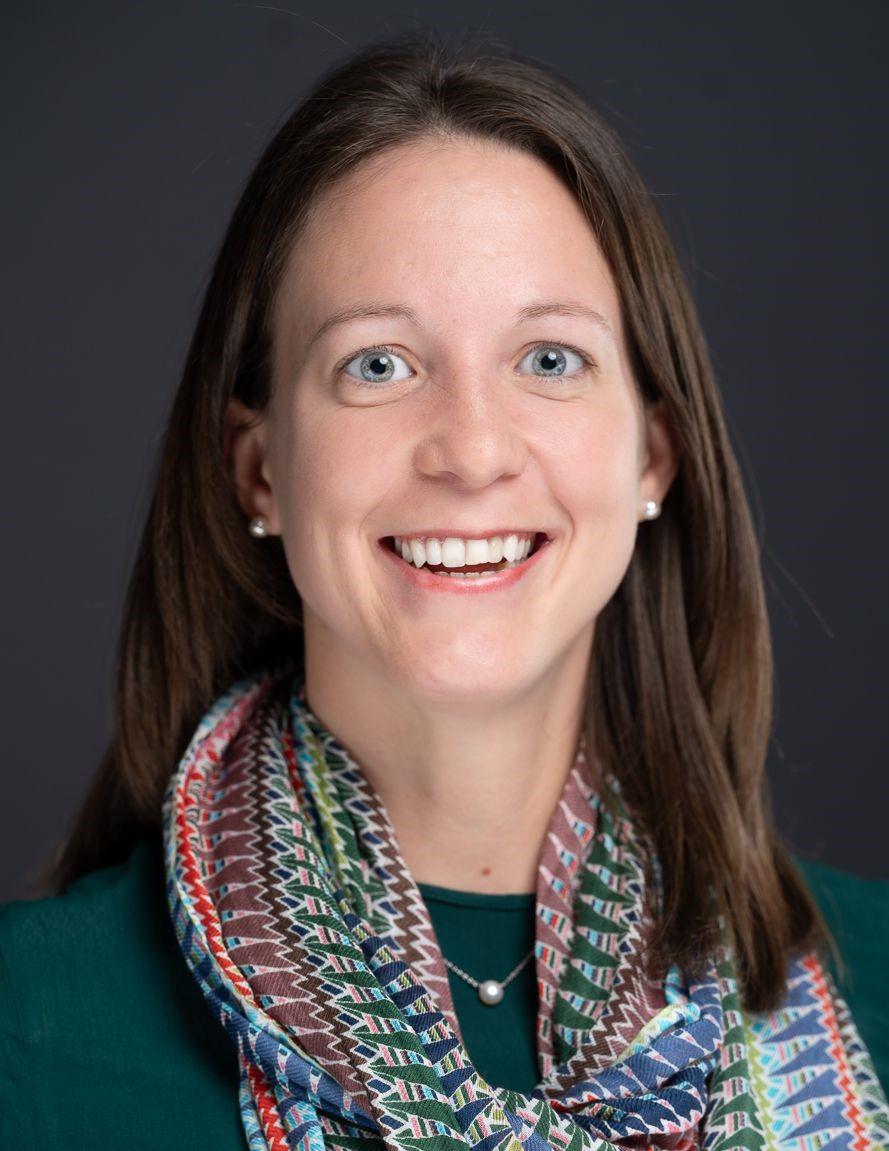
Gretchen L. Stokes, Ph.D.
- Assistant Professor
Education
- Ph.D. in Interdisciplinary Ecology, University of Florida
- M.S. in Fish and Wildlife Conservation, Virginia Tech
- B.S. in Fisheries, Wildlife, and Conservation Biology, North Carolina State University
Biography
Dr. Gretchen Stokes is an applied ecologist and conservation scientist working at the intersection of biodiversity conservation and sustainable development. She is an Assistant Professor in the Department of Environmental Science and directs the Global Ecology and Conservation Lab at Baylor University. Dr. Stokes studies global change impacts and resilience using socio-ecological systems approaches, especially in the context of inland fisheries and freshwater ecosystems. Her work spans more than 15 countries and includes the development of a global indicator for inland fisheries. She is a Certified Fisheries Professional (American Fisheries Society), NOLS Wilderness First Responder, and Co-Founder of the Anglican Creation Care Network. In addition to her academic pursuits, Dr. Stokes loves spending time with friends and family outdoors, especially backpacking, hiking, paddling, and sailing.
Academic Interests and Research
The Global Ecology and Conservation (GECO) Lab at Baylor University focuses on delivering actionable, evidence-based science to inform sustainability solutions from local to global scales and training the next generation of environmental stewards and practitioners. Our lab supports an inclusive community of visionary leaders working collaboratively with partners and stakeholders to address critical questions about global change to freshwater habitats, biodiversity, and provisioning ecosystem services at the food-water-climate nexus. We specialize in geospatial analysis, big data processing, machine learning applications, science communication, data visualization tools, and co-production of decision-making tools. Topics of interest include watershed restoration, spatiotemporal assessment of drivers of change, freshwater refugia, resilience of human-altered aquatic landscapes, protected areas, valuation of ecosystem services, and movement ecology.
Publications
- Stokes, G. L., Lynch, A. J., Tucker, E. L., Cleary, M., Funge-Smith, S., Valbo‐Jørgensen, J., Lowe, B. S., & Smidt, S. J. (2025). Adaptive capacities of inland fisheries facing anthropogenic pressures. Global Environmental Change, 90(2025), 102949. https://doi.org/10.1016/j.gloenvcha.2024.102949
- Stokes, G. L., Flores, J. V., Wong, J. P., Morang, C., Lynch, A. J., Romulo, C., Funge-Smith, S., Valbo‐Jørgensen, J., & Smidt, S. J. (2024). Computational approaches improve evidence synthesis and inform broad fisheries trends. Conservation Science and Practice, e13167.
- https://doi.org/10.1111/csp2.13167
- Elliott, V., Lynch, A. J., Phang, S., Cooke, S. J., Cowx, I. G., Claussen, J., ... & Stokes, G. L. (2022). A future for the inland fish and fisheries hidden within the Sustainable Development Goals. Frontiers in Environmental Science, 433. https://doi.org/10.3389/fenvs.2022.756045
- Stokes, G. L., Lynch, A. J., Funge-Smith, S., Valbo-Jorgensen, J., Lowe, B. S., Wong, J. P., & Smidt, S. J. (2021). A global dataset of inland fisheries expert knowledge. Scientific Data, 8(182). https://doi.org/10.1038/s41597-021-00949-0
- Stokes, G. L., Castello, L., Petersen, T. A., Cooke, S. J., Power, M., Zuanon, J., & Martins, E. G. (2021). Air‐breathing ecology of Arapaima sp.: Conservation implications for an imperilled fish. Aquatic Conservation: Marine and Freshwater Ecosystems, 31(6), 1257-1268. https://doi.org/10.1002/aqc.3580
- Cooke, S. J., Nyboer, E., Bennett, A., Lynch, A. J., Infante, D., Cowx, I. G, … Stokes, G. L… & Taylor, W. W. (2020). The ten steps to responsible Inland fisheries in practice: reflections from diverse regional case studies around the globe. Reviews in Fish Biology and Fisheries, 31, 843-877. https://doi.org/10.1007/s11160-021-09664-w
- Stokes, G. L., Lynch, A. J., Lowe, B. S., Funge-Smith, S., Valbo‐Jørgensen, J., & Smidt, S. J. (2020). COVID-19 pandemic impacts on global inland fisheries. Proceedings of the National Academy of Sciences, 117(47), 29419-29421. https://doi.org/10.1073/pnas.2014016117
- Lynch, A. J., Elliott, V., Phang, S. C., Claussen, J. E., Harrison, I., Murchie, K. J., Steel, E. A., & Stokes, G. L. (2020). Inland fish and fisheries integral to achieving the Sustainable Development Goals. Nature Sustainability, 3(8), 579-587. https://doi.org/10.1038/s41893-020-0517-6
- Ainsworth, R. A. & Stokes, G. L. (2024). Inland fisheries in a basin context. In R. Arthur (Ed.). Review of the state of the world fishery resources – Inland fisheries. Fourth Edition. (pp. 116-141). FAO Fisheries and Aquaculture Circular, No. 942 Rev. 4. Rome, FAO and Abidjan, AfDB. https://doi.org/10.4060/cd2169en
- Stokes, G. L. & Smidt, S. J. (2022). Riparian buffers and land cover change. In T. Mehner & K. Tockner (Eds.) Encyclopedia of Inland Waters (2nd ed., pp. 440-449). Elsevier. https://doi.org/10.1016/B978-0-12-819166-8.00172-9
Current Openings
Ph.D. Graduate Assistantship (1): We are currently recruiting one Ph.D. student to join our group in Fall 2026. If you are interested in joining us, please contact Dr. Stokes to discuss research interests and potential projects. This position in the Department of Environmental Science is fully funded through teaching assistantships.
Undergraduate Research Internship (1): We are also taking applications for one undergraduate research assistant for Summer 2026, based at the Au Sable Institute of Environmental Studies in Mancelona, Michigan. If interested, please email Dr. Stokes with a CV and cover letter describing your interest.
- Office Location
BSB A.408
- Websites